 Review: 7Dollar Essay
 Review: Assignment Master UK
 Review: Assignment Tutor UK
 Review: Assignment Ace UK
 Review: 6Dollar Essay
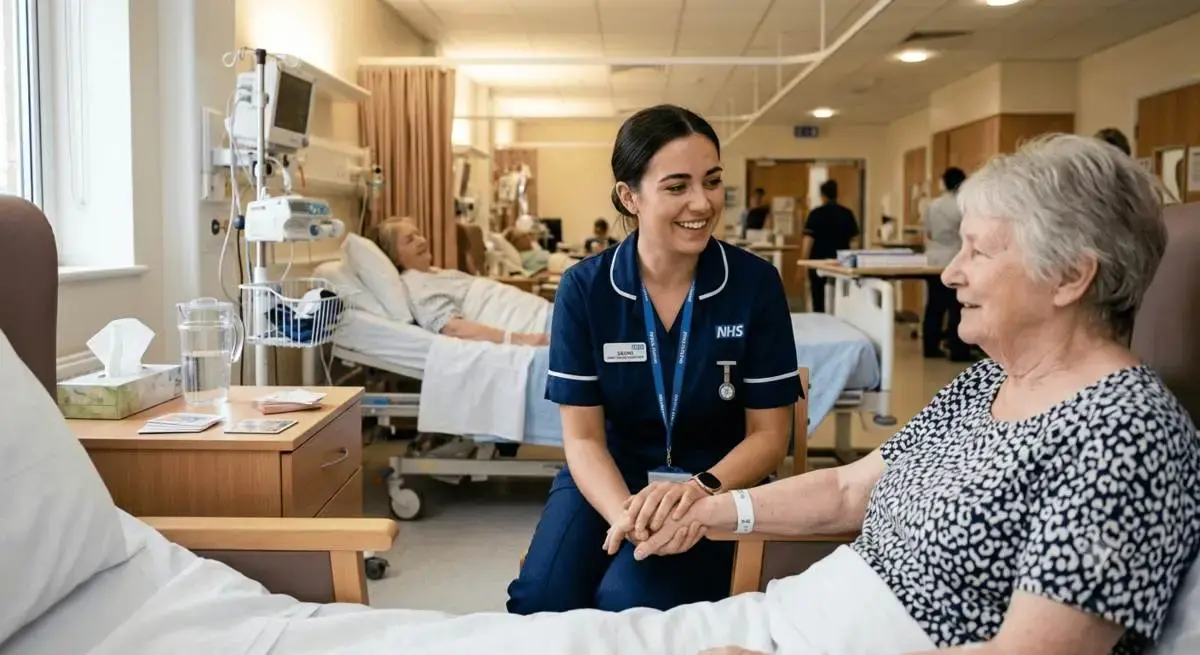
How to Become a CNA (Certified Nursing Assistant) in the UK
Healthcare careers continue to attract people who want more than just a pay cheque. Many are looking for work that allows them to make a genuine difference in the lives of others while building a stable and rewarding career.
One role that often attracts newcomers to the healthcare sector is that of a Certified Nursing Assistant (CNA). However, if you are researching this career path in the UK, you may quickly notice something confusing.
The term “Certified Nursing Assistant” is commonly used in countries such as the United States, but it is not the official title used within the British healthcare system.
In the UK, similar positions are typically known as:
- Healthcare Assistant (HCA)
- Nursing Assistant
- Healthcare Support Worker
- Clinical Support Worker
Continue reading to know how you can enter this field.
The Pathway For Becoming A CNA in the UK
If you’re interested in joining the healthcare sector, here’s what you need to know about becoming a nursing assistant in the UK.
Understanding the Role of a Nursing Assistant
Nursing assistants work closely with patients and healthcare professionals in hospitals, care homes, GP surgeries, rehabilitation centres, and community healthcare settings.
Their daily responsibilities often include:
- Assisting patients with personal care
- Helping individuals move safely around healthcare facilities
- Monitoring basic health observations
- Supporting patients during meals
- Maintaining patient comfort
- Assisting nurses with routine tasks
- Updating records and documentation
The role can be physically and emotionally demanding.
Students progressing into nursing degrees often seek nursing assignment help when balancing academic requirements with clinical placements and part-time work.
You may spend much of your day on your feet, supporting patients who are experiencing illness, injury, recovery, or age-related challenges.
At the same time, many nursing assistants also describe the work as highly rewarding because they build meaningful relationships with the people they care for.
Do You Need Formal Qualifications?
One of the reasons many people choose this career path is that entry requirements are often more accessible than those for registered nursing roles.
In many cases, employers value personal qualities just as highly as academic qualifications.
Healthcare organisations typically look for individuals who demonstrate:
- Compassion
- Patience
- Reliability
- Communication skills
- Teamwork
- Professionalism
That said, qualifications can strengthen your application and improve your employment prospects.
The common nursing assistant qualifications include:
- GCSEs in English and Maths
- Level 2 Diploma in Health and Social Care
- Level 3 Diploma in Health and Social Care
- Healthcare-related college courses
Some employers provide training after recruitment, allowing candidates to learn while working.
The Care Certificate- An Important Starting Point
You will often be expected to complete the Care Certificate if you secure a healthcare assistant role in the UK.
The Care Certificate is widely recognised throughout the British healthcare sector and serves as an introduction to essential care standards.
It covers areas such as:
- Duty of care
- Infection prevention
- Safeguarding
- Privacy and dignity
- Communication
- Health and safety
- Person-centred care
Completing the Care Certificate helps ensure that new healthcare workers understand the standards expected when caring for vulnerable individuals.
Many NHS trusts and care providers include this training as part of their induction process.
Gain Relevant Experience
Experience can significantly improve your chances of securing a healthcare position.
Not every candidate enters the sector with professional healthcare experience, but there are several ways to build relevant skills for becoming a CNA nurse.
For example:
- Volunteering in care settings
- Supporting community organisations
- Assisting elderly relatives
- Participating in healthcare-related placements
- Working in customer service roles involving vulnerable individuals
Employers often appreciate candidates who can demonstrate empathy and responsibility in interacting with people from different backgrounds.
Sometimes these transferable skills matter just as much as previous healthcare experience.
Applying for NHS Nursing Assistant Roles
A lot of aspiring healthcare assistants aim to work within the NHS.
NHS positions are regularly advertised across hospitals, community healthcare services, and specialist care settings.
When reviewing vacancies, you may notice titles such as:
- Healthcare Assistant
- Nursing Assistant
- Clinical Support Worker
- Healthcare Support Worker
The responsibilities can differ depending on the department.
For example, a nursing assistantworking in a surgical ward may perform different tasks from someone working in a mental health setting or rehabilitation unit.
Reading the job description carefully helps ensure the role matches your interests and strengths.
What Skills Do Employers Look For?
Technical knowledge can be taught, but personal qualities are often harder to develop.
Because nursing assistants interact directly with patients, employers place considerable emphasis on soft skills.
Some of the most valued qualities include:
- Compassion
Patients are often experiencing stressful or difficult circumstances a compassionate approach can significantly improve their experience.
- Communication
Healthcare assistants regularly communicate with patients, relatives, nurses, and other healthcare professionals.
Clear communication helps ensure safe and effective care.
- Teamwork
Patient care depends on collaboration.
A nurse assistant works alongside nurses, doctors, therapists, and support staff throughout the day.
- Attention to Detail
Small observations can sometimes be important, as accurate record-keeping and careful observation help support patient wellbeing.
- Emotional Resilience
Healthcare environments can be challenging.
The ability to remain professional and supportive during difficult situations is highly valued.
- Understanding DBS Checks
Most healthcare employers require successful applicants to undergo a Disclosure and Barring Service (DBS) check.
This process helps organisations ensure that individuals working with vulnerable adults and children are suitable for those responsibilities.
A DBS check forms a routine part of the recruitment process for healthcare roles across the UK.
As a candidate, you shouldn’t view it as unusual or concerning.
Challenges of the Role
Nursing assistance comes with challenges like any other career. Almost every busy learner has to seek professional nursing care plan help UK resources for additional guidance.
Their routines can involve:
- Long shifts
- Emotional situations
- Physical demands
- Exposure to illness
- Fast-paced environments
There may be difficult days when patients are distressed or facing significant health challenges.
However, many professionals find that the opportunity to support people during vulnerable moments makes the work deeply meaningful.
Why More People Are Choosing Healthcare Careers
The healthcare sector continues to offer opportunities for people seeking stable and purposeful employment.
Several factors contribute to growing interest in certified nursing assistant roles:
- Consistent demand for healthcare workers
- Opportunities for career progression
- Variety of work environments
- Meaningful patient interaction
- Access to ongoing training and development
Healthcare providers can provide a strong sense of purpose alongside professional growth for individuals who enjoy helping others.
FAQS
- Is a CNA qualification recognised in the UK?
The term Certified Nursing Assistant (CNA) is not commonly used within the UK healthcare system. Similar roles are commonly known as Healthcare Assistants, Nursing Assistants, or Healthcare Support Workers.
- Can I become a nursing assistant without previous healthcare experience?
Yes. Many employers hire candidates without direct healthcare experience, especially if they demonstrate strong interpersonal skills, compassion, and a willingness to learn.
- How long does it take to become a nursing assistant in the UK?
There is no specific timeline. Some people secure entry-level roles relatively quickly and complete training while employed, while others choose to gain relevant qualifications before applying.
Wrapping Up
A career as a nursing assistant provides the opportunity to support patients during important moments in their lives while developing practical skills and valuable professional experience.
Whether you hope to build a long-term career as a healthcare assistant or eventually progress into nursing, the role offers a meaningful way to contribute to patient care while gaining first-hand experience within one of Britain’s most important sectors.
If you have a genuine desire and compassion to help others, becoming a nursing assistant can be a rewarding first step into the world of healthcare.