 Review: 7Dollar Essay
 Review: Assignment Master UK
 Review: Assignment Tutor UK
 Review: Assignment Ace UK
 Review: 6Dollar Essay

How To Write A Personal Statement for a CV That Employers Love
Imagine spending hours perfecting your CV only for a recruiter to decide whether to keep reading within a few seconds. It might sound unfair, but that’s often how recruitment works. Hiring managers review hundreds of applications for a single vacancy, so they quickly scan each CV before deciding if it’s worth a closer look.
One of the first things they see is your personal statement. Done well, it encourages them to keep reading. Done poorly, it can make even a strong CV blend into the pile.
Understanding how employers read a CV personal statement and what they’re looking for in those first few seconds can make a real difference if you want your application to stand out.
Continue reading to know how.
Why the First Six Seconds Matter?
Research has consistently shown that recruiters spend very little time on an initial CV review, which takes an average of 7.4 seconds. They aren’t reading every sentence word for word. Instead, they’re scanning for relevant information and evidence that you’re a good fit for the role.
Your personal statement sits right at the top of the page, which makes it one of the most visible sections of your CV.
A good personal statement for CV immediately tells employers:
- Who you are professionally
- What experience do you bring?
- What value can you offer?
- Why should they continue reading
It works as your professional introduction that gives recruiters a clear reason to explore the rest of your CV.
What Is a Personal Statement for a CV?
A CV personal statement is a short paragraph that summarises your professional background and career goals.
The core purpose is to demonstrate what you have done until now and what your aims are for the professional world.
It provides a quick snapshot of your experience and highlights what makes you a suitable candidate.
The most effective personal statements are between 50 and 100 words long for best CV. This offers enough space to communicate your strengths without overwhelming the reader.
What Employers Actually Look For?
Many job seekers assume recruiters want long lists of personal qualities, such as being hardworking or a team player.
The reality is different.
Employers are usually looking for evidence rather than general claims.
Instead of telling you are a hardworking professional with excellent communication skills, you should use a different approach.
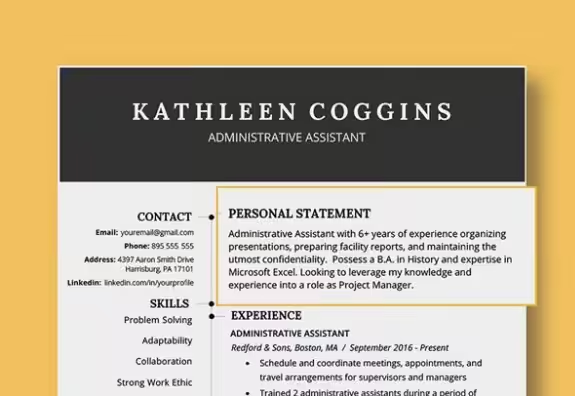
This specific information is far more persuasive than generic statements that could apply to almost anyone.
How to Write a Personal Statement That Gets Read
You don’t need to spend time creating sentences using complicated language for a personal statement. The use of simple writing techniques is more effective as it makes it easier for the recruiter to understand quickly.
Here are a few principles worth following.
Start with Your Professional Identity
Open with your current role or area of expertise.
For example:
Customer Service Advisor with five years’ experience…
This instantly provides context for the rest of your statement.
Highlight Your Strongest Experience
The recruiter is going to search for the experience that is most relevant to the role.
An easy approach is to ask yourself, if a recruiter only reads one sentence about me, what do I want them to remember?
That answer should appear near the beginning of your personal statement.
Mention Achievements Where Possible
Your career results will naturally attract attention because they will demonstrate your true impact.
Professionals offering personal statement services suggest that writing ‘’ experienced in sales’’ isn’t enough.
Try:
“Sales professional who consistently exceeded quarterly targets and built long-term client relationships across the retail sector.”
Sentences like these will help the recruiter picture the potential that you are going to bring to the organisation.
Keep It Focused
Your personal statement doesn’t need to mention every certification or responsibility. Those details belong elsewhere in your CV.
Try focusing on creating a clear summary that encourages employers to continue reading.
If every sentence earns its place, your opening paragraph will feel instantly confident.
Common Mistakes That Can Cost You an Interview
Even experienced professionals sometimes overlook their personal statement because they’re focused on the rest of the CV. Unfortunately, a weak opening can reduce the impact of everything that is written ahead.
Here are some of the most common mistakes recruiters notice.
Writing a Generic Introduction
Statements like:
“I am a hardworking, motivated individual seeking a challenging opportunity.” appears on countless CVs. They don’t tell employers anything specific about your experience or why you’re suited to the role.
Try replacing these general descriptions with information that’s unique to your career.
Making It Too Long
A recruiter shouldn’t have to work through a large block of text before reaching your work experience.
A concise summary that can be read comfortably in a few seconds will be more than enough!
Using the Same Statement for Every Job
It is understandable that your experience is the same, but your CV personal statement should still reflect the position you’re applying for.
For example, if you’re applying for a customer service role, highlight communication and problem-solving skills. If you’re applying for a project management position, focus on leadership and planning.
Even these small adjustments can make your resume feel tailored.
Filling It with Buzzwords
Words like passionate and results-driven lack weight unless you are using them the right way, along with examples.
So make sure to try explaining what you have actually achieved.
Examples of Strong Personal Statements
Take a look at these CV personal statement examples UK to get a better idea before writing one.
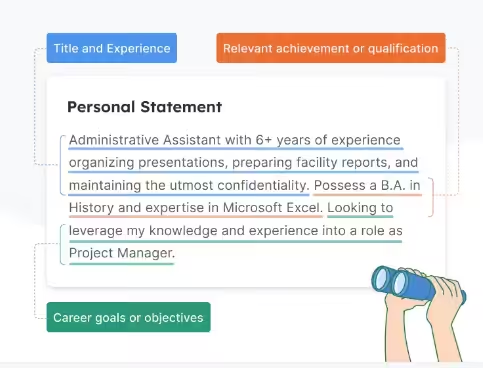
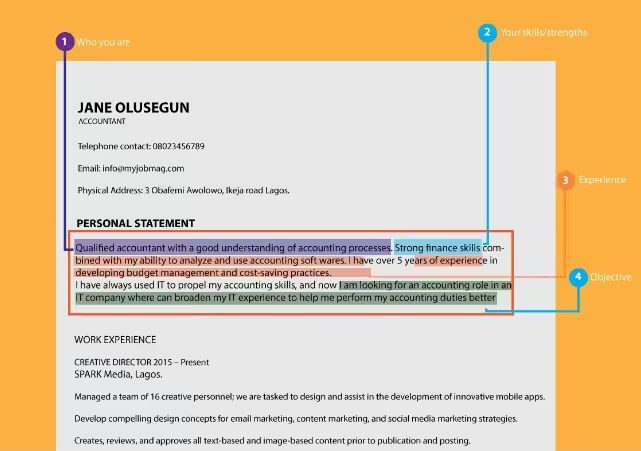
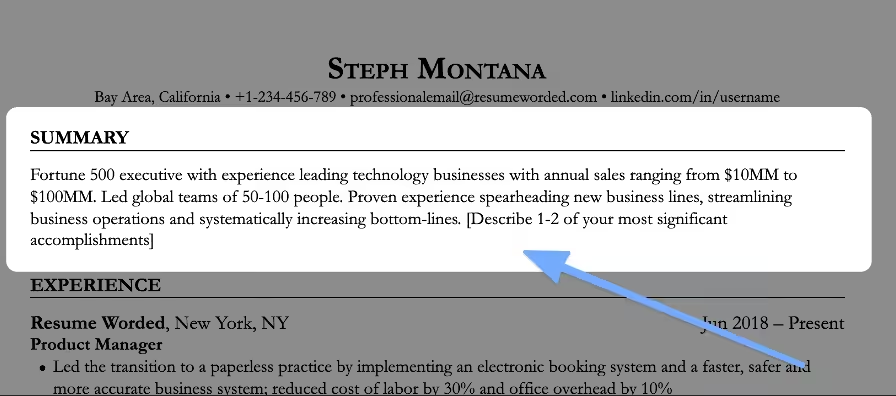
You can notice that each example is specific and easy to read. None of them relies on exaggerated claims or unnecessary jargon.
FAQS
Should every CV include a personal statement?
In most cases, yes. A personal statement will help recruiters quickly understand your professional background and career focus. It is very useful when you are applying for a competitive role or changing industries, as it provides context before employers review your work experience.
Can I use the same personal statement for every job application?
It’s better to tailor your personal statement for each role. Adjusting it to reflect the skills and experience according to your position will show employers that you’ve taken the time to prepare a targeted application rather than sending the same CV everywhere.
How often should I update the personal statement on my CV?
You should review your personal statement every time you apply for a new role. Frequent updates can keep your CV relevant and increase the chances of catching a recruiter’s attention within those first few seconds.
Wrapping Up
Your CV personal statement determines whether the recruiters will continue reading your CV or not. Just make sure to keep it relevant and focus on your strengths to give recruiters a clear picture of your professional value from the very beginning. A strong focus on clarity and genuine achievements will help you present information that directly supports the role you are applying for.